55+ Communities in Central Florida: Spotlights, Interviews & Planning
A 55+ active adult community is housing where at least 80% of occupied homes have a resident age 55 or older, built around low-maintenance living, amenities, and neighbors at a similar stage of life. This section visits Central Florida communities in person, talks with the people who run them, and covers the planning questions that come with the move.
Updated October 7, 2026
Inside Central Florida's 55+ Communities
On-site interviews with the people who run each community: what living there is actually like, what's included, and who it's a fit for.
Mera at East Shore, Apopka
Azalea, Lake Mary
Planning for the Years Ahead
Conversations with Central Florida advisors on retirement income, long-term care, and making the money last.
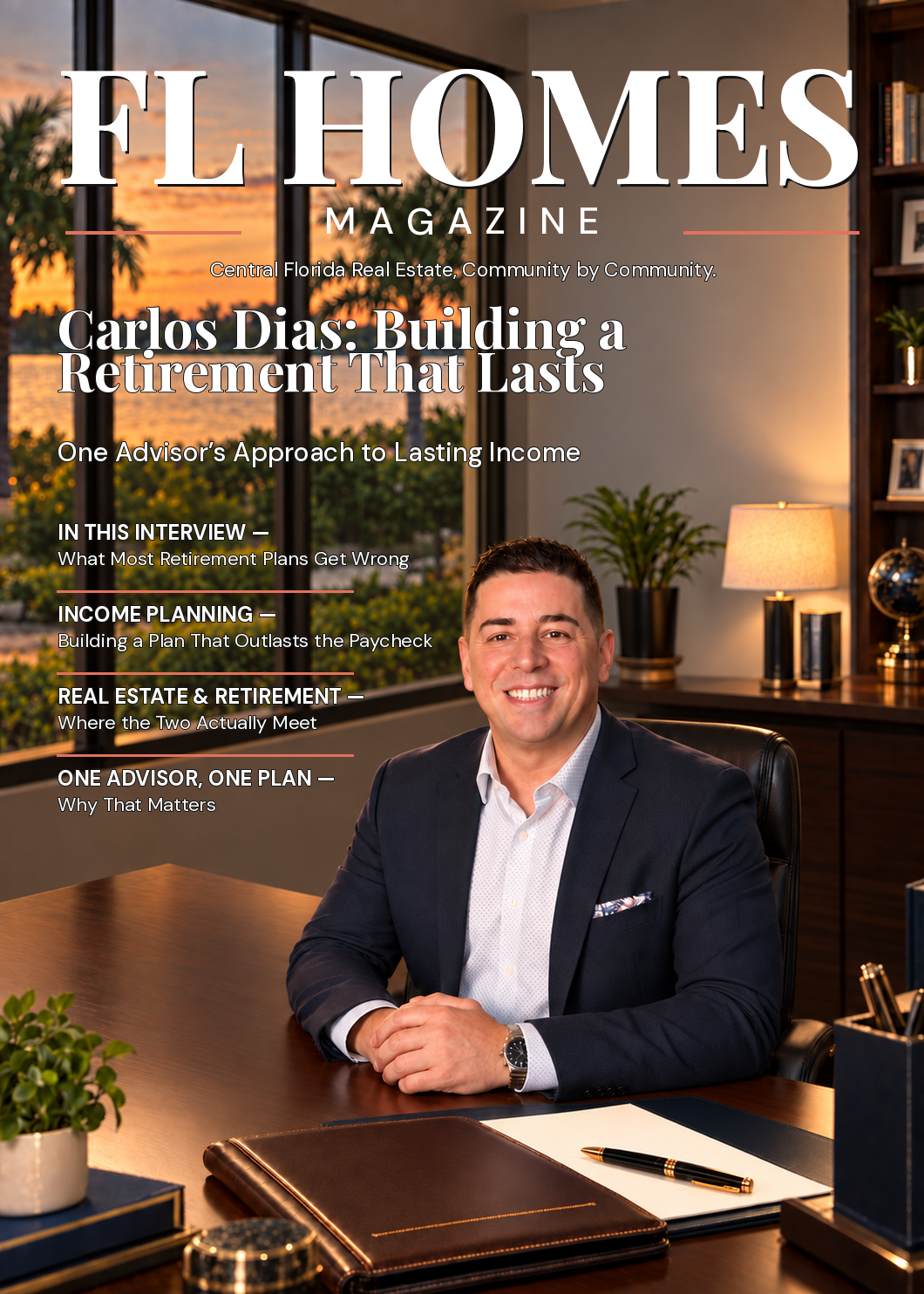
Long-Term Care Planning with Carlos Dias
55+ Community vs. Independent Living vs. Assisted Living
The three terms get used interchangeably. They aren't the same thing, and the difference matters most when care needs change.
| 55+ Active Adult | Independent Living | Assisted Living | |
|---|---|---|---|
| Who it's for | Active adults who want low-maintenance living and amenities | Seniors who want convenience services but don't need hands-on care | Adults who need help with daily activities |
| Personal care | Generally none | Generally none; may offer meals, housekeeping, transportation | Help with bathing, dressing, medications, and similar daily tasks |
| Age rules | Federal 55+ exemption: at least 80% of occupied units with a resident 55+ | Set by the community, often 55+ or 62+ | Based on care needs rather than age alone |
| Housing | Owned homes or rental apartments and cottages | Usually rental apartments | Private or shared residences with care included |
| Florida oversight | Housing rules (fair housing, HOA or lease) | Housing rules; not licensed as a care provider | Licensed by the Agency for Health Care Administration (AHCA) |
Every community sets its own policies within these rules. Always ask for them in writing.
What to Ask on a 55+ Community Tour
The questions that separate a good fit from a move you'll regret.
- What does the monthly cost include? Ask which utilities, amenities, and services are in the rent or HOA fee and which are extra.
- How does the age policy work? Ask how ages are verified and whether a younger spouse, partner, or caregiver can live with you.
- What are the lease or ownership terms? Ask about lease length, renewal increases, and early-termination rules if you rent; HOA rules and fee history if you buy.
- What's the pet and guest policy? Ask about pet size limits and how long family can stay.
- What does a typical week look like? Ask for the activity calendar and talk to a current resident if you can.
- What happens if my needs change? Most 55+ communities don't provide care. Ask what nearby options residents use and plan for it early.
Can someone younger than 55 live in a 55+ community?
Sometimes. The federal exemption requires at least 80% of occupied units to have a resident 55 or older, which leaves room for exceptions. Each community decides how it uses that room. Some allow a younger spouse or caregiver, others don't. Get the policy in writing before you apply.
Is renting in a 55+ community different from renting a regular apartment?
The lease works much the same way. The differences are age verification at application and a community built around residents at a similar stage of life, usually with activities, gathering spaces, and amenities included.
What if I need care later?
Plan for it before you need it. A 55+ community is a housing choice, not a care provider. Our interview with Carlos Dias covers retirement planning, and our September issue covers how families find assisted living when the time comes.
Thinking About the Move?
Guides for selling the family home and right-sizing in Central Florida.
Exploring 55+ Communities in Central Florida?
Whether it's for you or a parent, we can tell you which communities have availability and set up a visit.
Call (407) 544-4704